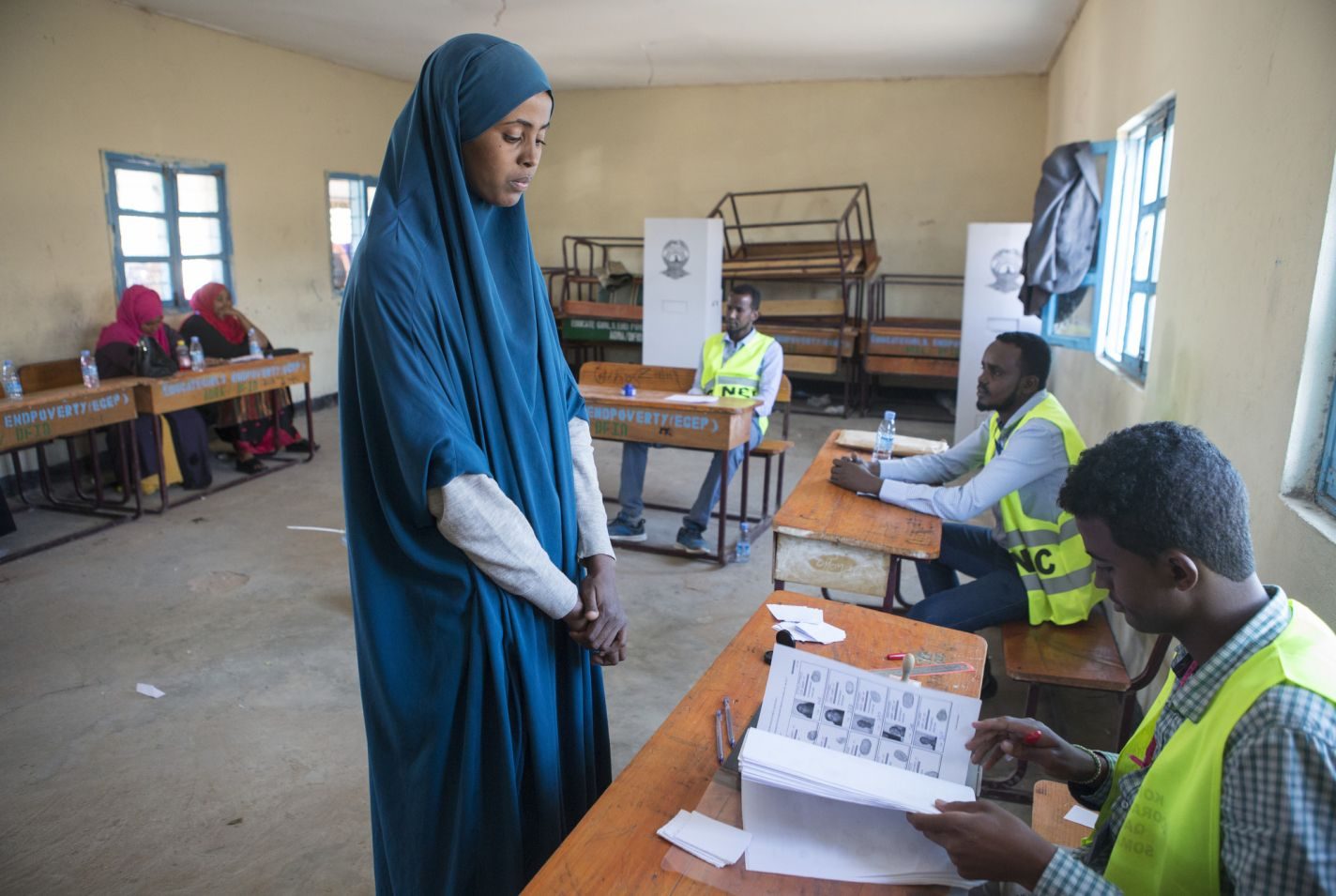
On 28 April 2026, Somaliland's House of Elders approved a term extension of 27 months for the House of Representatives and for local councils. The elections that had been scheduled for the end of May 2026 will not now take place on that date. For the fourth time in the chamber's history, a vote that was due has been moved.
The reaction split along familiar lines. The government framed the extension as a technical necessity: the voter register, the party arrangements and the budget were not ready, and a rushed poll would be worse than a delayed one. The opposition framed it as a pattern. Both are partly right, and neither reading is the one that matters most for the people who have to plan around the decision.
What the delay is, precisely
The extension applies to the legislature and the councils, not to the presidency. That distinction is the whole story. Somaliland's presidential term runs on its own clock, and the current administration was elected in the direct vote of November 2024. A 27-month extension to the parliamentary calendar pushes the combined elections toward 2028, but it does not reset the executive.
The result is a country whose branches of government are now on visibly different timetables. That is not unprecedented here. It is, however, a source of friction that every party strategist should be modelling rather than lamenting.
The arithmetic of a moving date
Campaigns are not permanent institutions. They are assembled for a moment, and they decay when that moment recedes. A candidate who built momentum for a May 2026 vote now faces a choice that has nothing to do with policy: keep an organisation warm for two more years, or stand it down and rebuild later at higher cost.
Three effects follow, and each is predictable enough to plan for.
- Coalitions loosen. Alliances agreed for an imminent contest are harder to hold across an extra 27 months. Partners hedge. Some defect. The agreements that survive are the ones with a reason to exist beyond the election itself.
- Money reprices. Diaspora funders who committed for a near-term race will not simply hold the pledge open. Fundraising has to be re-made, and the second ask is always harder than the first.
- Incumbency compounds. Sitting members serve longer without facing voters. That is an advantage for those who hold seats and a problem for challengers whose entire pitch was change.
What the Guurti decision tells you about the Guurti
It is easy to read the extension as an executive manoeuvre. It is more useful to read it as a reminder of where power actually sits. The House of Elders is not a rubber stamp and it is not a relic. It is a constitutional body with the standing to reshape the national calendar, and it has now used that standing repeatedly.
Any strategy that treats the Guurti as an afterthought is incomplete. The chamber's willingness to extend terms is itself a variable, and one that a serious campaign plans around rather than reacts to.
Delay is not the same as stability, and it is not the same as crisis. It is a set of second-order effects that reward the organisations that saw them coming. The date will move again before it settles. The parties that treat the wait as a planning problem, rather than a grievance, are the ones that will still be standing when it does.